
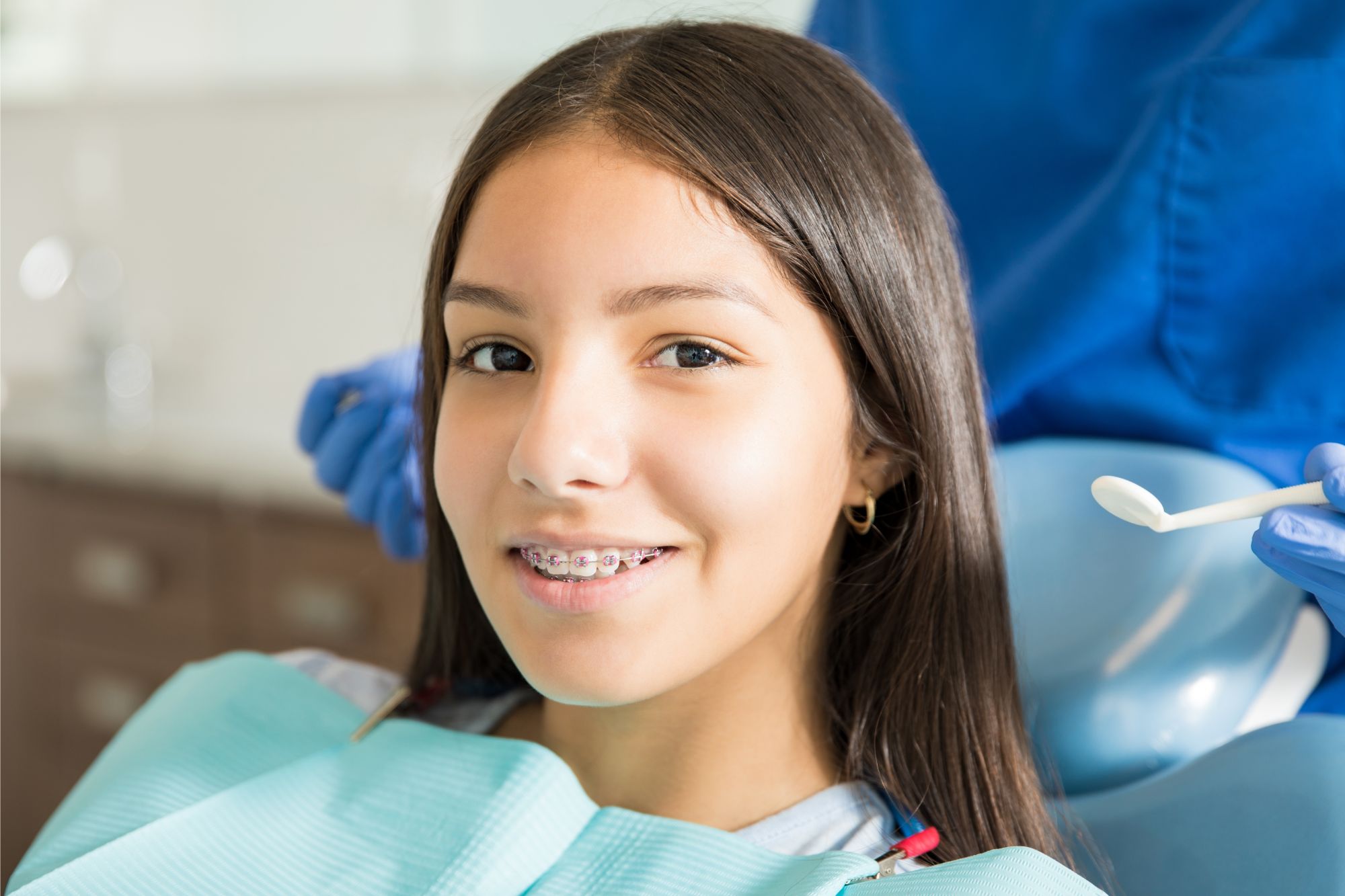
Getting braces is exciting, but the visits that follow are where the real progress happens. Every few weeks, you’ll come in for a quick braces adjustment that keeps your teeth moving toward their final position. If you’ve never had one before, knowing what happens can make the whole experience feel a lot easier.
Here’s a full look at how adjustments work, what they feel like and how to get the most out of every visit.
What Is a Braces Adjustment?
A braces adjustment is a routine visit where your orthodontist updates the wires, elastics or brackets on your braces to keep your teeth moving on schedule. Most patients come in every six to eight weeks. These short check-ins are how your smile actually gets shaped over time.
You may hear a few different terms used for these visits. A “tightening” usually refers to swapping out elastic ties or adjusting existing wires. A “wire change” involves placing a completely new archwire, often thicker or shaped differently than the last one. An “adjustment” is the umbrella term that covers both. At Premier Smiles Orthodontics, our doctors decide which type of update your teeth need at each visit based on your progress.
Adjustments apply to every kind of fixed braces, including metal, ceramic and self-ligating systems. Without them, your teeth would stop responding to the appliance and treatment would stall. Think of each visit as a small but essential push forward.
How a Braces Adjustment Works: Step-by-Step
Most adjustments take 15 to 30 minutes from start to finish. The process is straightforward, and once you’ve been through one, you’ll know exactly what to expect at the next.
Here’s what a typical visit looks like:
- Check-in and quick exam. Your orthodontist reviews how your teeth have moved since the last visit and checks your brackets, wires and gum health.
- Removing the old ligatures. If you have metal or ceramic braces, the tiny elastic or wire ties holding the archwire in place are gently removed. Self-ligating brackets simply pop open.
- Cleaning your teeth and brackets. The team clears away any buildup around the brackets so the new wire seats properly.
- Placing a new archwire. A fresh wire is inserted, often a slightly thicker or differently shaped version than the previous one. This new wire is what applies the gentle pressure that moves your teeth.
- Re-tying with fresh ligatures. New ties or colored bands go on, and this is where kids and teens get to pick their favorite colors.
- Final check and instructions. Your orthodontist confirms everything looks good and reviews any specific care tips before you head out.
Our orthodontists follow the same careful process at every visit. That consistency is what keeps your treatment predictable and on track.
Benefits of Staying on Schedule With Adjustments
It’s tempting to reschedule an adjustment when life gets busy, but keeping these visits on the calendar is one of the biggest things you can do to finish treatment on time. Every appointment builds on the last, and skipping one can set your progress back by weeks.
Here’s what regular adjustments actually do for you:
- Keep your treatment timeline on track. Each wire change is calibrated for a specific window of tooth movement. Delays add up quickly.
- Ensure continuous, controlled movement. Teeth respond to steady, gentle pressure. Long gaps between visits mean lost momentum.
- Catch small issues early. A loose bracket, a bent wire or unexpected shifting is much easier to fix at a routine visit than after weeks of complications.
- Refresh your appliance. New elastics, new colors and cleaner brackets make your braces feel and look better between visits.
- See your progress. Each visit is a chance to see how far your teeth have come since the last one.
- Reduce total treatment time. Patients who stay on schedule almost always finish faster than those who miss visits.
Your orthodontist plans every adjustment with your specific timeline in mind. The more consistent you are, the smoother your treatment will be from start to finish.
Adjustment Experience by Braces Type
Not every adjustment looks the same. The type of braces you have shapes how long the visit takes and what happens in the chair. Here’s a quick comparison so you know what to expect based on your appliance.
| Braces Type | What Happens at Adjustment | Typical Visit Length | Comfort Level |
|---|---|---|---|
| Metal braces | Wire change plus new colored ligatures | 20-30 minutes | Mild soreness for 1-3 days |
| Ceramic braces | Similar process with gentler ligature handling to protect brackets | 20-30 minutes | Mild soreness for 1-3 days |
| Self-ligating braces | Brackets open and close without elastics, so visits are often faster | 15-20 minutes | Generally very comfortable |
| Invisalign | No tightening; you receive your next set of trays and a quick check-in | 10-20 minutes | Minimal pressure |
Traditional metal braces are the most common, and the adjustment routine is well-established. Ceramic braces follow the same steps but with a lighter touch, since the tooth-colored brackets are more delicate. Self-ligating braces skip the elastic ties entirely, which usually means shorter visits.
Invisalign check-ins are a different experience altogether. Instead of tightening anything, your orthodontist checks how your teeth are tracking with the aligners and hands you the next series of trays.
Tips for a Smooth Adjustment Visit
A little prep goes a long way toward an easy appointment.
- Brush and floss before you come in. Clean teeth and brackets make it easier for your orthodontist to check your progress and seat the new wire.
- Bring your questions. Jot down anything you’ve noticed since your last visit, like a spot that rubs or a tooth that feels different, so nothing gets forgotten once you’re in the chair.
- Mention anything loose or broken. Let the team know about a loose bracket or shifted wire when you check in so they can plan for it.
- Plan a soft dinner. Having soup, pasta or smoothies ready at home makes the first evening easier if your teeth feel tender.
- Keep up with your elastics. If you’ve been given rubber bands, wearing them as directed between visits helps each adjustment do its job.
Who Needs Regular Adjustments and How Often
Every patient in active braces treatment needs regular adjustments, whether you’re a child in early treatment, a teen finishing up or an adult getting braces for the first time. The cadence is what varies from person to person.
Most patients follow a schedule of one visit every six to eight weeks. Your orthodontist sets your specific interval based on how your teeth are responding and what stage of treatment you’re in.
A few common patterns:
- Standard treatment: Visits every six to eight weeks throughout most of your care.
- Complex cases: Shorter intervals when more detailed movement is needed.
- Late-stage treatment: Lighter, faster adjustments as your teeth settle into their final positions.
- Invisalign patients: Check-ins that are often spaced further apart, since there’s nothing to tighten.
If you’re not sure how often you should be coming in, your treatment plan will spell it out. And if life throws off your schedule, just reach out and we’ll help you get back on track.
Frequently Asked Questions About Braces Adjustments
How long does a braces adjustment take?
Most braces adjustment appointments take 15 to 30 minutes. Self-ligating braces are often on the shorter end, while metal and ceramic braces with new colored ligatures may take a bit longer. Complex adjustments involving wire bends or additional appliances can occasionally run longer, but your orthodontist will let you know ahead of time.
Does a braces adjustment hurt?
You may feel mild pressure or tightness right after the visit, and some tenderness for 1 to 3 days as your teeth start moving. Most people describe it as soreness rather than sharp discomfort, and over-the-counter relief is usually more than enough. Sticking to soft foods for the first day or two also helps.
Which week of braces is the most difficult?
For most patients, the first week after braces are placed is the biggest adjustment period. Your mouth is getting used to the brackets and wires, and your teeth are feeling pressure for the first time. After that, adjustment visits produce much milder soreness because your teeth are already accustomed to the movement.
What should I eat after an adjustment?
Soft foods for the first 24 to 48 hours are your best bet. Think yogurt, smoothies, pasta, mashed potatoes, soup, scrambled eggs and soft fruit. Avoid crunchy, chewy or sticky foods until the tenderness fades. Cold foods like ice cream can also help calm any pressure you feel.
When should I call the orthodontist?
Reach out if you experience severe or lasting discomfort, a loose or broken bracket, a wire that’s poking your cheek or anything that feels off between visits. Small issues are easy to fix quickly, and catching them early keeps your treatment on schedule. Our team is always happy to answer questions, so don’t wait if something isn’t right.
Ready for Your Next Step?
Braces adjustments are the small, steady steps that add up to a confident new smile. Whether you’re just starting to explore braces or already partway through treatment, Premier Smiles Orthodontics can help at any of our five offices across Greater Cleveland in Parma, Shaker Heights, University Heights, Warrensville Heights and Willowick.
If you’re thinking about starting treatment or want a second opinion on your current care, we’d love to meet you. Schedule a free consult and let’s talk about your smile.